

Dog Boarding vs Pet Sitting at Home: Which Fits Your Dog

Updated: Nov 12
Boarding isn’t automatically stressful, and staying at home isn’t always the calmer choice. When weighing dog boarding vs pet sitting at home, consider your dog’s temperament: sociable, confident dogs may enjoy supervised care and companionship, while dogs unsettled by new places may feel more comfortable in familiar surroundings.
It’s natural to want your dog to feel safe and cared for while you’re away. The right option depends on more than where they sleep: their usual routine, comfort around other dogs, and need for individual attention all matter. This guide explains how the arrangements differ so you can choose with confidence.
We’ll compare daily routines, supervision and personal attention, then share a practical decision guide for dogs in Sotogrande and the Costa del Sol.
Table of Contents
Routine, supervision and individual attention
In the choice between dog boarding and pet sitting at home, the daily rhythm is a key difference. A boarding facility usually follows set times for meals, toilet breaks and play. A sitter at your home can follow your dog’s familiar schedule, such as breakfast after a morning walk. For dogs who settle best in familiar surroundings, pet sitting at home keeps their care within that known environment.
Boarding often means several staff members are on site, with supervision shared across the facility. Dogs may have supervised group play with others of a similar size and temperament. A sitter generally offers more one to one attention, although the amount of time spent with your dog depends on the arrangement. Overnight house sitting can mean the sitter stays in your home and spends much of the day there.
A dog sitter’s fee in Spain depends on visit length, frequency, location, overnight care and your dog’s needs. A short visit and a full day involve different amounts of time and supervision.
Before booking, ask what the daily schedule includes, who supervises play, and how much individual time your dog receives. Clarify meal instructions, toilet breaks and what happens if your dog seems unwell. For example, a noise sensitive dog may need quieter rest periods instead of group play.
Choose the setting that best matches your dog’s routine, social comfort, and need for close attention.
Pet Sitting vs Boarding: Which is the Best for Your Pet?
The better fit depends on your dog’s comfort with other dogs, unfamiliar settings, and changes to routine. Social interaction and enrichment can be valuable, but care should suit each dog’s age and temperament.
Socialisation and Enrichment Activities
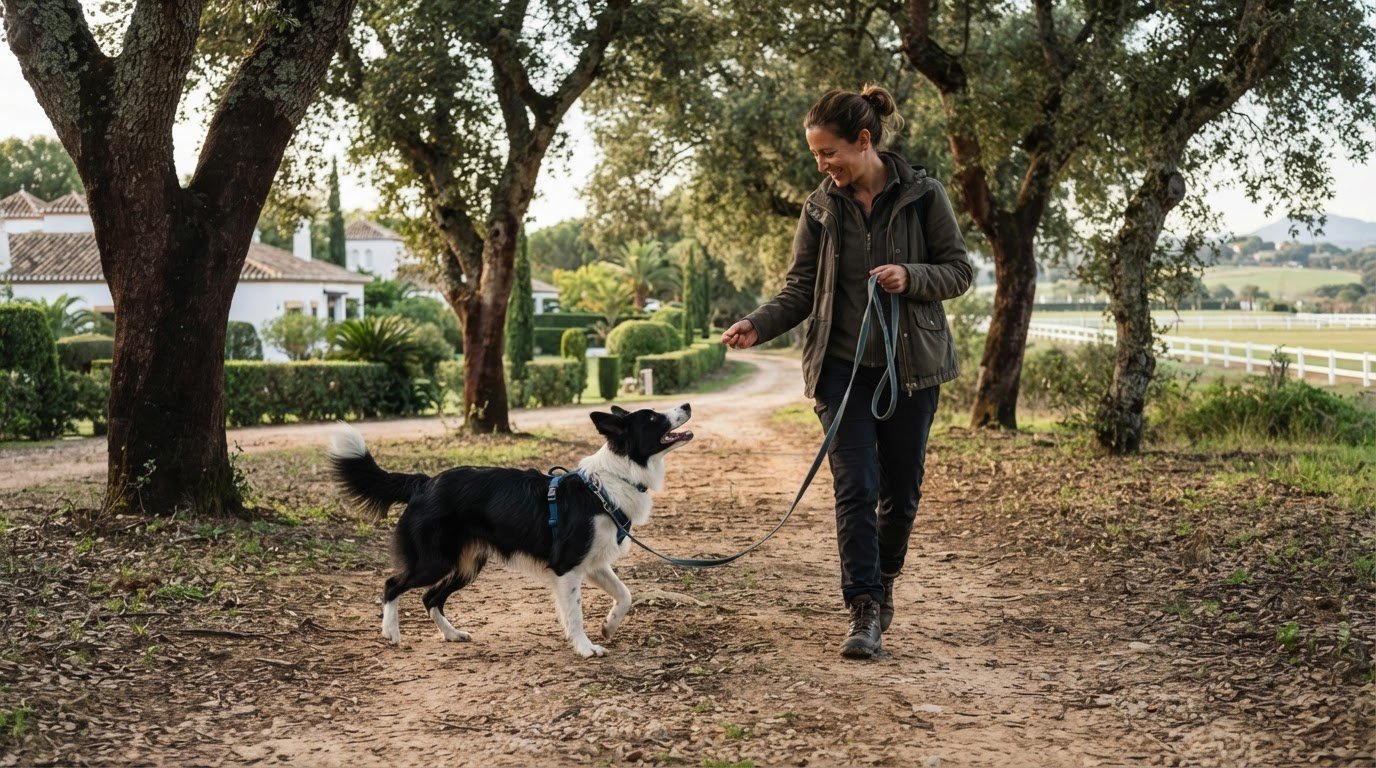
A dedicated care setting may provide opportunities to spend time with other dogs. A sociable dog may enjoy shared play and activities, while home sitting can offer familiar walks, toys, and gentle play in known surroundings. Choose interaction that your dog enjoys, rather than assuming group play is right for every dog.
Needs of Different Dogs
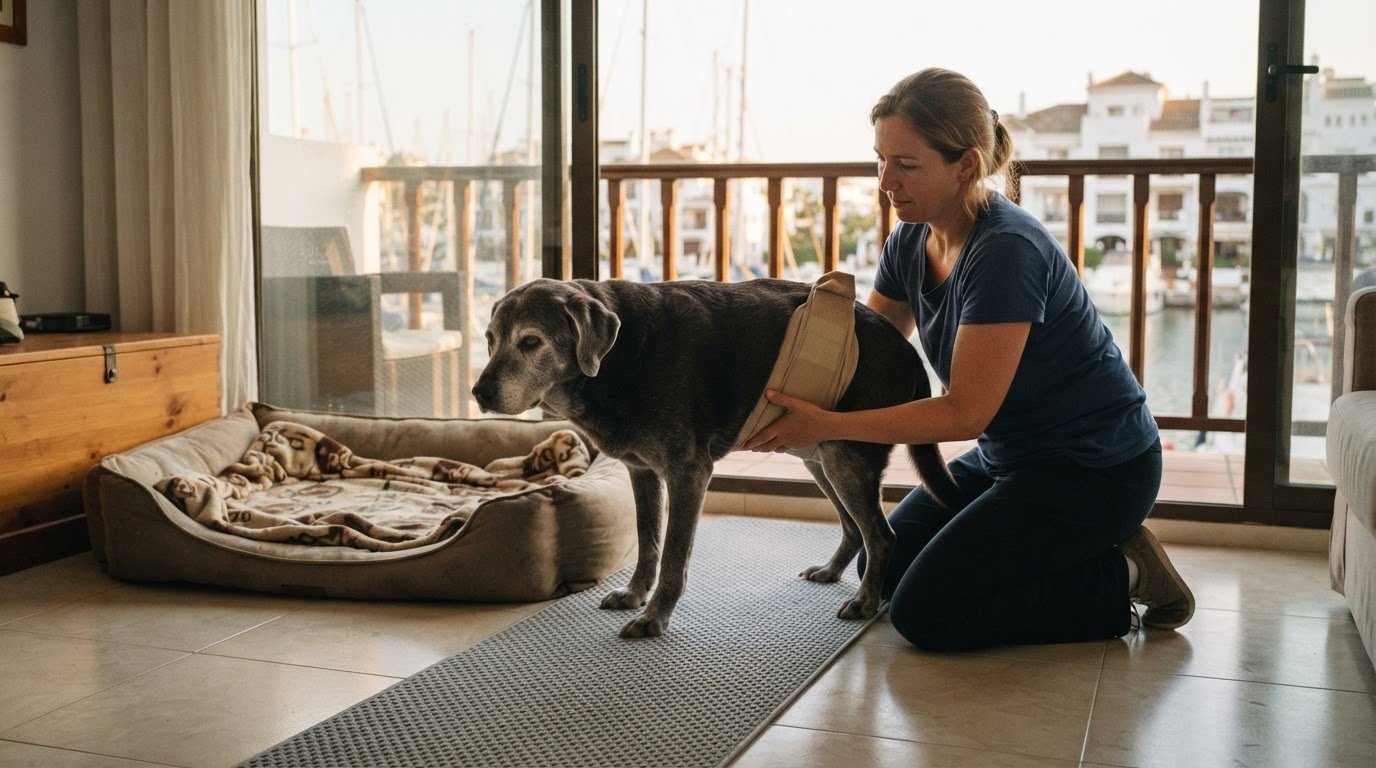
Puppies and senior dogs may benefit from familiar surroundings and a less disruptive routine. A dog who finds new settings unsettling may also be more comfortable at home, though every dog’s needs differ. For example, a puppy who needs regular rest or an older dog used to a steady home routine may find a busy environment tiring. Let your dog’s everyday needs guide your choice.
Trust and Licensing Checks
Ask what registration or authorisation applies to the service and location, and request relevant documentation. For insurance, ask what cover applies to your dog and their care. Discuss supervision, emergency arrangements and updates. In Sotogrande, boarding and sitting costs can vary with location, care needs, length of stay and whether care takes place at home or in a facility.
Preparing for Boarding or Home Sitting
Share your dog’s meal times, walking routine, comfort around other dogs and particular care needs. Provide familiar food, bedding and clear instructions. It is also good practice to ensure your pet is clean and groomed before extended time away; dedicated salons like bigpaws-smallpaws.sg demonstrate how routine hygiene and coat care keep dogs comfortable and relaxed. For home sitting, explain access arrangements and where essentials are kept. For boarding, an introductory visit can help your dog become familiar with the setting. Arrange your dog’s care around the routine that suits them best.
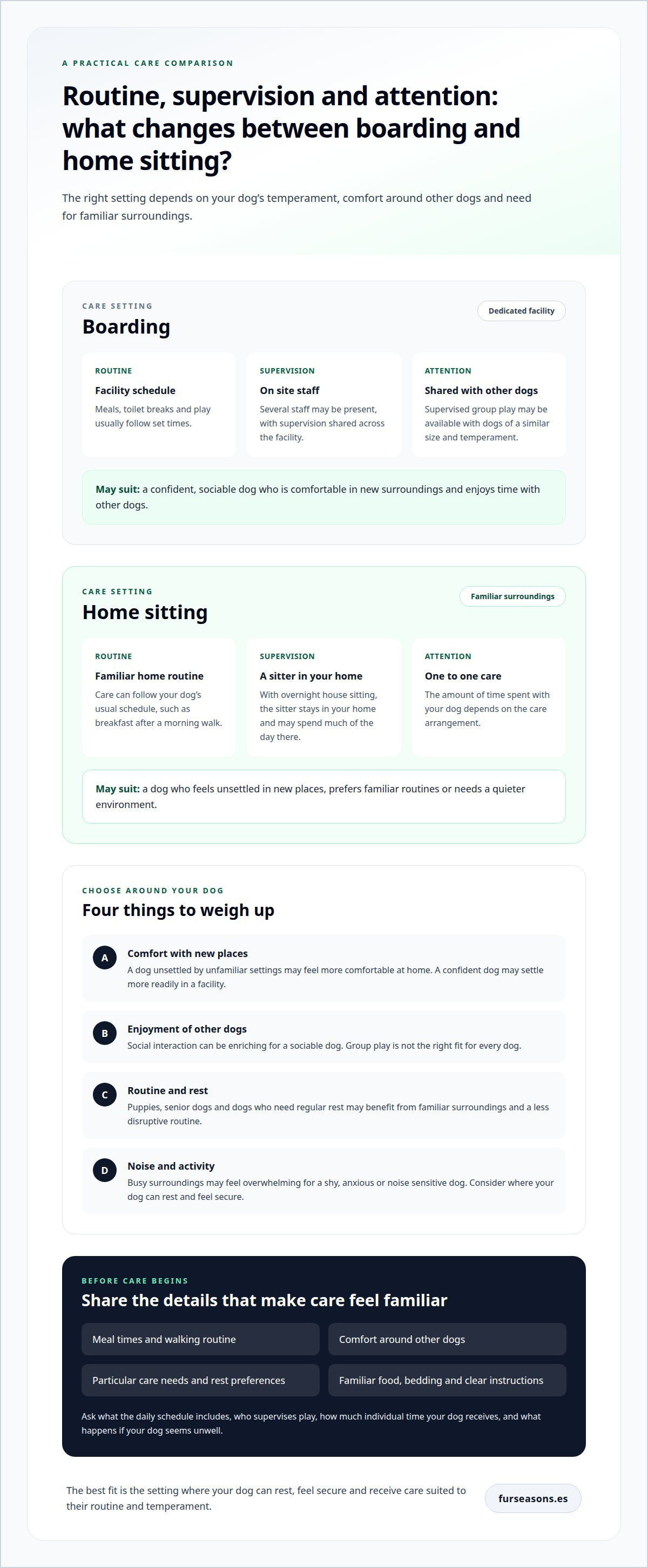
Traditional kennel boarding compared with home-based care
A traditional kennel places your dog in a purpose designed facility, with care organised around its shared setting. Staff are generally on site, and reputable kennels require dogs’ vaccinations to be up to date. Facilities also use procedures to help prevent illness spreading and are designed to prevent escapes. These measures offer structure, but do not make every environment right for every dog.
Sound and activity can make a difference. A busy setting may feel overwhelming for a noise sensitive, shy, or anxious dog, especially around unfamiliar dogs. A confident dog who enjoys new surroundings may settle more readily. By contrast, House Sitting keeps your dog among familiar smells, resting places, and household routines. For example, a dog who retreats to a quiet corner after walks can keep that comfort at home.
Home based care can mean different arrangements. With House Sitting, a sitter cares for your dog in your home; other home based arrangements may take place in a sitter’s home, sometimes with other pets present. The second option still offers a home setting but introduces a new environment and household. Consider what matters most to your dog: familiar surroundings or the routines and facilities of a dedicated care setting.
Before deciding, weigh your dog’s vaccination status, confidence around unfamiliar animals, sensitivity to noise and response to changes. If your dog is unsettled by busy spaces, familiar home surroundings may suit them better. A social, adaptable dog may be comfortable in a kennel, particularly where its routine and supervision meet their needs. The best fit is the setting where your dog can rest, feel secure and receive appropriate care.
The Fur Seasons: House Sitting
In Sotogrande, The Fur Seasons offers House Sitting for dogs who feel most settled in their own home while you’re away. Overnight Care can suit dogs who benefit from familiar surroundings, everyday comforts, and care shaped around their usual routine.
If home based care feels right for your dog, contact The Fur Seasons on WhatsApp at +34 711 07 34 13 or visit www.furseasons.es to discuss your booking.
Make the Next Stay Feel Like Theirs
Choosing between dog boarding vs pet sitting at home comes down to the experience you want your dog to have while you’re away. Let their habits guide the decision: a preference for familiar comforts, a need for companionship, or a love of active days can help shape a more personal care plan.
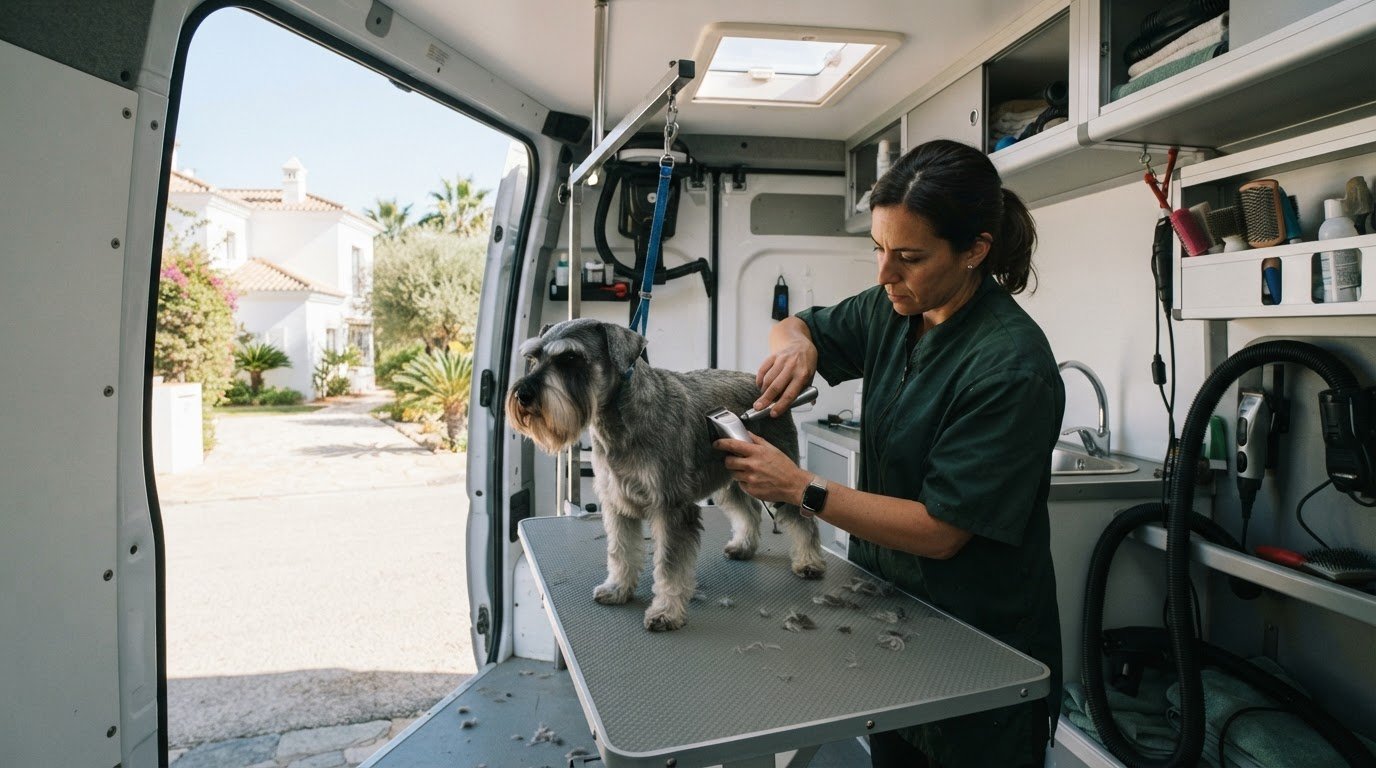
For time away in Sotogrande, The Fur Seasons offers House Sitting and Overnight Care. Doggie Day Care can suit days when your dog needs company, while Mobile Dog Grooming brings grooming care to your doorstep. These services support different parts of your dog’s routine, rather than forcing one arrangement to fit every occasion.
A familiar feeding ritual or preferred walk can be useful details to share before care begins. Consider what would help your dog feel most at ease, then choose care that fits their character and your plans. Contact The Fur Seasons to discuss the right next step. A thoughtful choice can make time apart gentler for you both. 🐾
Frequently Asked Questions
Is it stressful for a dog to be boarded?
Boarding can feel stressful for a dog who is uneasy in unfamiliar surroundings, while another may settle comfortably. Notice how your dog responds to new places, sounds and changes in routine. A short introductory visit can help them become familiar with the setting. Share their usual comforts and routines with the care team, and watch for changes in appetite or behaviour.
What is the difference between dog boarding and pet sitting at home?
Boarding and House Sitting can involve different care arrangements for your dog. The difference affects more than the sleeping place: home care involves arranging access to your property and explaining household routines, while boarding brings your dog to a setting organised for their care. For example, a sitter needs clear instructions about meals and walks.
What are the pros and cons of boarding a dog versus having a sitter at home?
A dedicated care setting may suit a dog who enjoys activities with other dogs, but it can mean a bigger change from everyday home life. House Sitting preserves familiar surroundings, though it does not provide the same setting for group activities. Think about an ordinary day: if your dog relies on familiar rooms, home care may fit better; if they seek canine company, a group setting may appeal.
What are the risks of kennel cough, stress, or injury with dog boarding, and how can they be reduced?
Contact with other dogs can bring exposure to illness, while unfamiliar surroundings or energetic play may contribute to stress or minor injuries. No care setting removes every risk. Choose a kennel with clear illness prevention procedures and vaccination requirements. Tell staff about your dog’s health and play limits, and ask how they supervise interactions and respond if your dog becomes unwell or is injured.
Comments