

Questions to Ask a Pet Sitter Before Booking Care

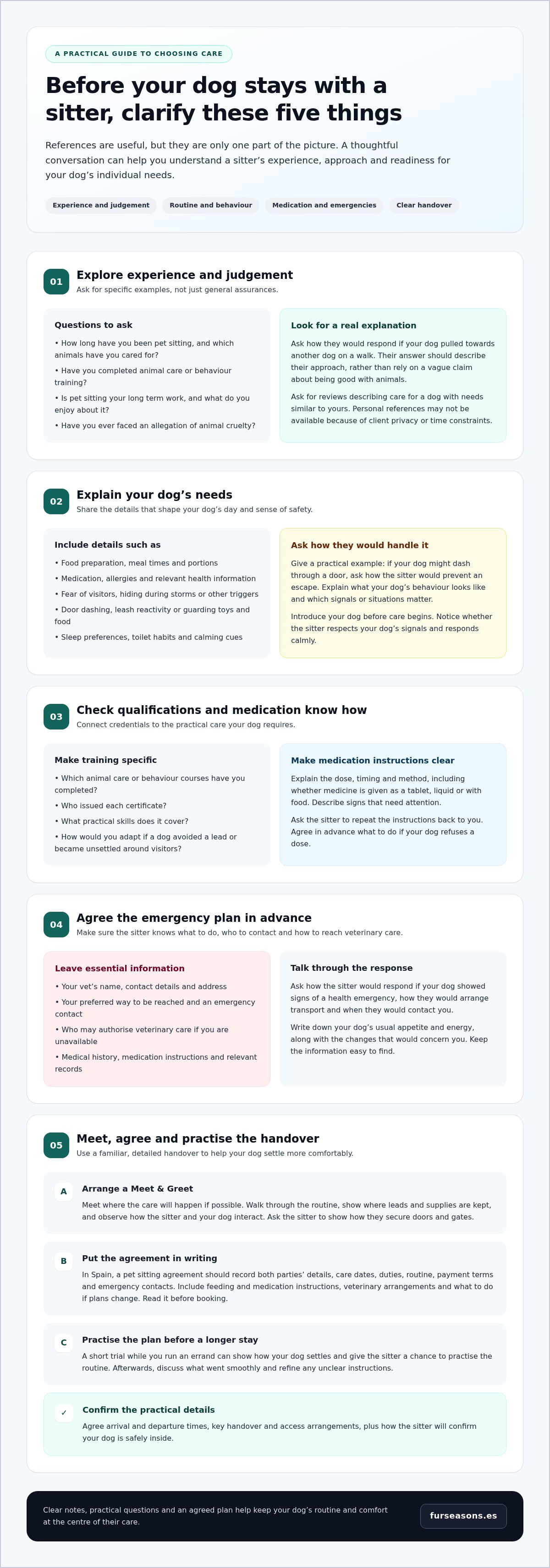
References matter, but they’re only one part of choosing someone to care for your dog. The most useful questions to ask a pet sitter cover experience, qualifications, daily routines, emergency response and veterinary arrangements. Ask for reviews that describe care for dogs with needs similar to yours, too; personal references may not always be available because of client privacy or time constraints.
It’s natural to want reassurance that your dog will feel safe, settled and understood while you’re away. A thoughtful conversation before booking can help you assess whether a sitter’s approach suits your dog’s character and routine. Read on for practical questions about experience, care, emergencies and the details to agree before the stay begins.
Table of Contents
1. What questions should I ask my prospective sitter?
Ask how long they’ve been pet sitting, which animals they’ve cared for, and whether they’ve completed animal care or behaviour training. If they mention a certificate, ask who issued it and what practical skills it covers. Then ask for references or reviews describing care for a dog with needs like yours. A sitter may protect clients’ privacy, so published reviews can offer useful detail when personal references aren’t available.
Explore their training philosophy with a real example: “How would you respond if my dog pulled towards another dog on a walk?” Their answer should explain their approach, not rely on vague claims about being good with animals. Ask whether pet sitting is their long-term work, what they enjoy about it, and whether they’ve ever faced an allegation of animal cruelty. Direct questions help you understand their judgement and experience.
Describe your dog’s individual needs, such as medication, food preparation, fear of visitors or a hiding place during storms. Ask what similar care they’ve provided and how they’d follow your written routine. For example, explain if your dog might dash through a door and ask how they’d prevent an escape. Introduce your dog before care begins, then observe their interaction and note whether the sitter respects your dog’s signals.
In Spain, a pet sitting agreement should record both parties’ details, care dates, duties, routine, payment terms and emergency contacts. Include feeding and medication instructions, veterinary arrangements, and what to do if plans change. Ask to read the agreement before booking, so expectations are clear before your dog’s care starts.
2. What are your credentials and certifications?
Ask which animal care or behaviour courses the sitter has completed, and who issued each certificate. A qualification can show relevant learning, but ask how they apply it during pet sitting. For example, how would they adapt their handling if a dog avoids a lead or becomes unsettled around visitors? Ask for a practical example, not just a list of credentials. Their explanation should make their training philosophy clear.
Medication needs careful, written instructions. Ask whether the sitter has experience giving your dog tablets, liquid medicine or medication with food. Explain the dose, timing, method and any signs that require attention. Ask them to repeat the steps back to you, so you can catch misunderstandings before care begins. If your dog refuses a dose, agree on what they should do rather than leaving the decision unclear.
Discuss behaviour in specific situations. Tell the sitter about growling, snapping, leash reactivity, resource guarding or fear of unfamiliar people. Ask how they would respond if your dog snapped and how they would keep other animals at a comfortable distance. Share known triggers, calming cues and situations to avoid. Mention allergies and any toy-related behaviours before the sitter offers treats or toys.
Share your dog’s daily routine, diet, medication, and behaviour in writing. Include meal times and portions, exercise and toilet habits, sleep preferences, medication instructions, allergies, triggers, and the cues that help your dog settle. Add your vet’s contact details and explain what changes from normal behaviour concern you. For care in your home, House Sitting can keep those familiar routines at the centre of your dog’s day.
3. Pet emergencies and veterinary arrangements
Agree on an emergency plan before you leave. Give the sitter your vet’s name, contact details and address, as well as your preferred way to be reached. Veterinary teams such as Animal Hospital of Sullivan County recommend leaving written treatment consent and emergency contacts in advance so sitters can act without delay. Explain who may authorise veterinary care if you’re unavailable, and how the sitter should respond if your dog shows signs of a health emergency. Ask them to talk through the plan, including how they would transport your dog and contact you.
Write down your dog’s usual behaviour so a sitter can spot meaningful changes. For example, note their normal appetite and energy, then describe what would concern you. Leave your dog’s medical history, medication instructions and relevant records together. Keep your contact details and an emergency contact easy to find. Clear notes help the sitter act promptly rather than guess.
Arrange a Meet & Greet before booking, ideally where care will happen. Walk through your dog’s routine, show where leads and supplies are kept, and observe how the sitter and dog interact. Ask the sitter to demonstrate how they secure doors and gates before leaving. Discuss arrival and departure times, key handover, access arrangements, and how they’ll confirm your dog is safely inside.
Before a longer stay, consider a short trial while you run an errand. This lets you see how your dog settles and gives the sitter a chance to practise the handover and routine. Afterwards, discuss what went smoothly and any changes needed, such as clearer feeding instructions or a calmer arrival. Use that conversation to refine the written plan before you travel.
The Fur Seasons: Overnight Care
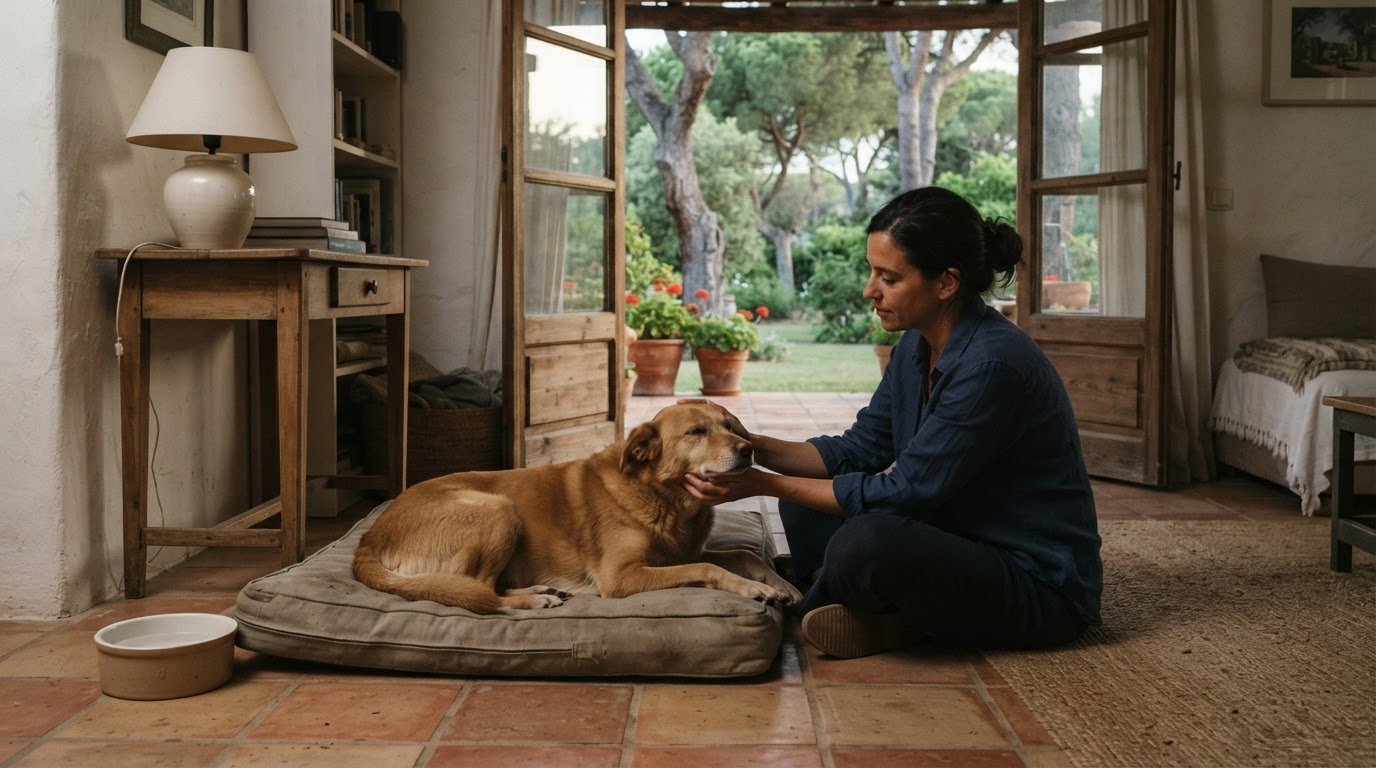
The Fur Seasons offers Premium Pet Sitting for dogs whose people will be away overnight. Care can take place in your home or in a caregiver’s home, so consider where your dog usually rests and feels at ease. Before arranging care, share your dog’s evening routine, sleeping preferences, feeding instructions, medication details and any behaviour that affects settling. Explain whether your dog sleeps in a particular room, needs a familiar bed or becomes unsettled by unfamiliar sounds. These details help shape a thoughtful handover and make the care plan specific to your dog, rather than relying on assumptions. Discuss which setting best suits your dog and what information the caregiver needs before the stay. If you’re considering Premium Pet Sitting in Sotogrande, contact The Fur Seasons or visit www.furseasons.es to discuss your dog’s needs.
Choose care that feels right for your dog
Choosing care is also an opportunity to consider what helps your dog feel content in familiar surroundings. Think about the pace of their day, the company they enjoy and how they respond to changes in routine. These preferences can guide a conversation about the right arrangement in Sotogrande, keeping your dog’s comfort central to the decision.
The Fur Seasons can discuss your dog’s needs and help you explore a suitable care arrangement. Share what matters most to your family and your four-legged companion, then decide on a next step that feels considered and comfortable.
Contact The Fur Seasons or message us on WhatsApp at +34 711 07 34 13. With a thoughtful plan in place, you can look forward to time away while your dog enjoys attentive care.
Frequently Asked Questions
Do you have any references or reviews?
Look for comments that describe specific experiences rather than relying on general praise alone. A review mentioning clear communication during a change of plans, for instance, gives you a useful sense of how the sitter handles practical details. Compare the substance of available feedback and notice whether it reflects the kind of care you’re arranging.
Do you have experience with my dog’s special needs?
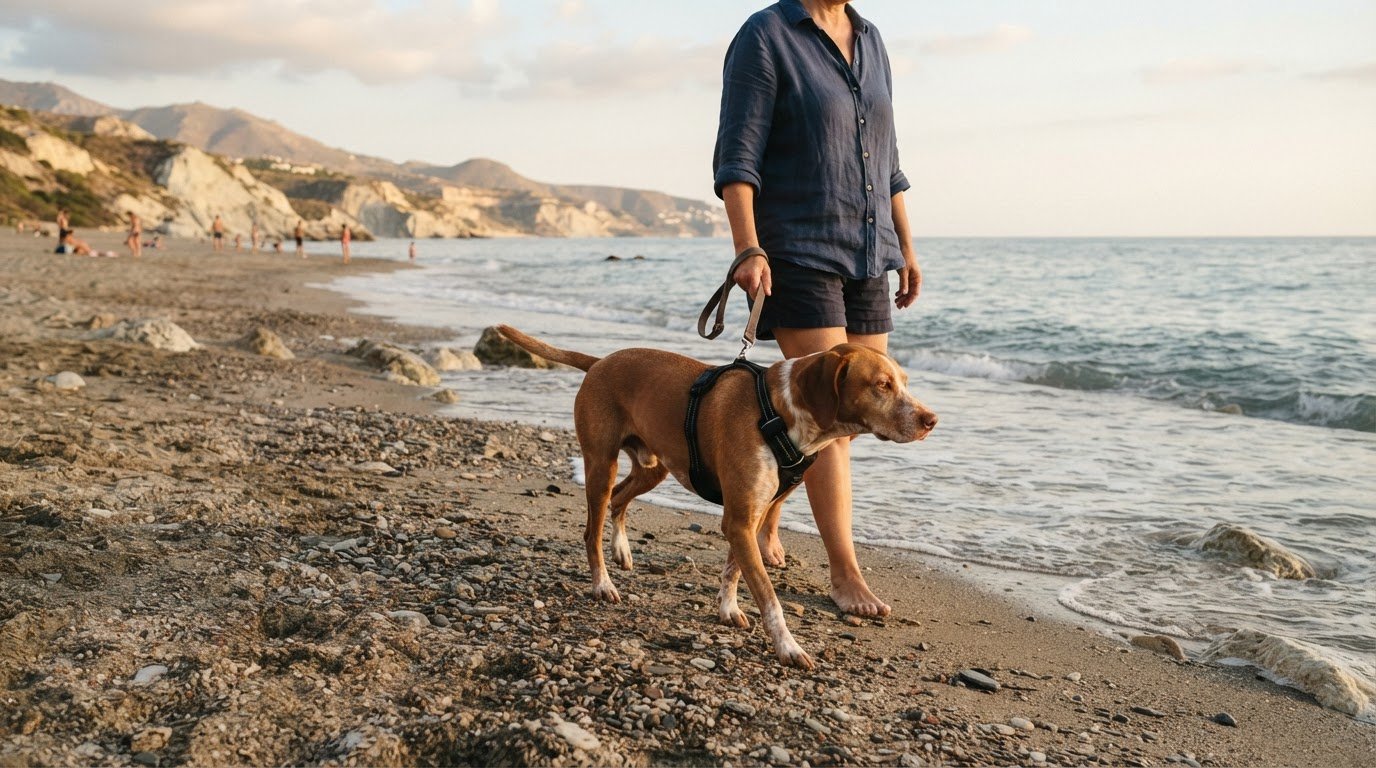
Ask the sitter to talk through a typical day with your dog, including any extra care tasks. If your dog uses a support harness, for example, ask them to show how they would fit and use it. A practical walkthrough can reveal whether instructions are understood and whether the care plan works in your dog’s surroundings.
What are your credentials and certifications?
Alongside asking about training, ask whether the sitter is insured and what their cover applies to. Clarify how they handle responsibility if an incident occurs during care, rather than assuming every policy covers the same situations. You can also ask whether they work with animal professionals, such as a dog trainer or veterinarian, when a care question needs specialist input.
What questions should I ask my prospective sitter?
Ask who else may help with your dog and what each person would do. If a cleaner or gardener might visit during care, discuss how the sitter would manage their arrival and keep your dog settled. You can also ask what they would do if food or another essential supply ran low while you were away.
What questions should you ask a pet sitter before hiring them?
Clarify the planned exercise, including the route, pace and whether walks could involve other dogs. Ask whether the sitter would ever visit a dog park, and make clear that this requires your explicit approval. You can also discuss the games or enrichment your dog enjoys, so their time includes familiar, appropriate ways to stay engaged.

Comments